Healing Hospital houses a distinguished team of pulmonologists and “lungs specialists” serving Chandigarh, Mohali, and Panchkula tricity. Our Pulmonology Department goes beyond treating lung diseases; we focus on empowering patients with knowledge about their respiratory health, preventive strategies, and long-term disease management. From chronic respiratory conditions like COPD and asthma to acute infections and sleep disorders, we address every aspect of lung wellness with precision and care.
Your respiratory health deserves expert attention in an environment where you feel heard and supported. That’s why our world-class infrastructure, cutting-edge diagnostic equipment, compassionate medical staff, and evidence-based treatment protocols work together seamlessly.
Privacy, comfort, and dignity remain at the core of every interaction. This patient-first philosophy has earned us the confidence of patients for over a decade now. If you are searching for a “lung doctor near me”, Healing hospital is available at your rescue.

What is Pulmonology?
Pulmonology is the branch of medicine dedicated to understanding and treating conditions affecting your lungs, airways, and breathing mechanics. Pulmonologists are internal medicine specialists who complete additional years of rigorous training in respiratory disease diagnosis and management.
From performing bronchoscopies to managing ventilators in critically ill patients, from diagnosing rare lung diseases to helping you quit smoking—pulmonologists cover the entire spectrum of respiratory medicine.
Beyond diagnosis and treatment, pulmonologists also serve as educators and counselors. They guide patients on managing chronic conditions, avoiding environmental triggers, recognizing early warning signs, and making lifestyle changes that protect lung function. This comprehensive approach ensures you don't just treat disease—you build lasting respiratory
When to Consult a Pulmonologist?
If you're experiencing any of these signs or symptoms, consult a pulmonologist promptly:
- Chronic cough
- Progressive shortness of breath
- Wheezing or chest tightness
- Recurrent respiratory infections or pneumonia
- Coughing up blood (hemoptysis)
- Unexplained chest pain with breathing
- Loud snoring with daytime fatigue
- Occupational exposure to dust, chemicals, or fumes
- Smoking history
- Difficulty controlling asthma with current treatment
- Abnormal chest X-ray or CT scan findings
- Evaluation before major surgery if you have lung disease
Why Should You Choose Healing Hospital for Pulmonology Care?

Dedicated Emergency & 24*7 Critical Care Support: With a 24×7 emergency department, ventilator support, and modern ICUs, the hospital ensures immediate care for severe breathing troubles, acute asthma attacks, or respiratory failure.

Comprehensive Respiratory Services: From basic spirometry to advanced bronchoscopy, from overnight sleep studies to long-term ventilator management—everything happens under one roof. This integrated approach eliminates the hassle of multiple facility visits, ensures coordinated care, and speeds up diagnosis and treatment initiation.

Patient-Centered Philosophy: Lung disease is personal. Your symptoms, fears, and goals matter to us. We invest time in listening, explaining conditions in understandable terms, and involving you in treatment decisions. Our medical counselors are available round-the-clock to address concerns, clarify doubts, or provide reassurance during anxious moments.

Our Advanced Diagnostic Techniques, Interventions, & Procedures in Pulmonology
Pulmonary Function Testing or Spirometry
Comprehensive lung function assessment through spirometry, lung volume measurements, diffusion capacity testing, and bronchial provocation challenges.
Advanced Imaging
High-resolution CT scans reveal detailed lung architecture. CT pulmonary angiography detects blood clots. Ultrasound guides pleural procedures safely.
Diagnostic Bronchoscopy & Interventional Procedures
Flexible bronchoscopy visualizes airways and obtains tissue samples. Advanced techniques include endobronchial ultrasound (EBUS) for lymph node sampling, navigational bronchoscopy for peripheral nodules, and therapeutic procedures like stent placement for airway obstruction.
Thoracentesis & Pleural Procedures
Ultrasound-guided fluid drainage from around lungs for diagnosis and symptom relief. Medical thoracoscopy allows direct visualization and biopsy of pleural abnormalities with minimal invasiveness.
Sleep Studies & CPAP Therapy
Overnight polysomnography diagnoses sleep-related breathing disorders. CPAP titration studies determine optimal pressure settings. We provide equipment, training, and ongoing support ensuring therapy success.
Pulmonary Rehabilitation
A structured program combining supervised exercise, breathing retraining, disease education, nutritional counseling, and psychological support.
Lung Biopsy Procedures
Tissue diagnosis through transbronchial biopsy during bronchoscopy, CT-guided transthoracic needle biopsy, or surgical video-assisted thoracoscopic biopsy depending on lesion location and clinical situation.
Critical Care & Ventilator Management
Our respiratory ICU provides advanced mechanical ventilation for respiratory failure using lung-protective strategies. Non-invasive ventilation (BiPAP/CPAP) often avoids intubation.
Preventive Vaccinations for Lung Health
Our Pulmonology Department provides both pneumococcal and annual influenza vaccinations. Pneumococcal vaccines (PCV13 and PPSV23) protect against bacterial pneumonia, which can be life-threatening in older adults and people with chronic lung conditions. The influenza vaccine, updated annually, guards against seasonal flu complications that frequently lead to hospitalizations in vulnerable populations. Both vaccines significantly reduce your risk of severe illness, lung damage, and death from these preventable infections.
We strongly recommend these vaccines for adults 65 and older, people with chronic respiratory diseases like COPD or asthma, current or former smokers, individuals with weakened immune systems, and anyone with personal or family history of stroke, heart disease, or diabetes.
These simple interventions offer powerful protection for your respiratory health—schedule your vaccination today.
What Are the Risks or Complications of Pulmonary Diseases?
Difficulty in Breathing
As lung diseases progress, airways become narrowed or damaged, making it increasingly difficult to breathe even during simple daily activities like walking or talking. This breathlessness can worsen over time, limiting your mobility and independence. Early diagnosis and proper treatment can help manage symptoms and prevent further deterioration.
Lung Damage and Reduced Oxygen Levels
Chronic pulmonary conditions cause permanent scarring and damage to lung tissue, reducing the lungs' ability to deliver oxygen to your blood and vital organs. Low oxygen levels (hypoxia) can affect your heart, brain, and other organs, leading to serious complications like heart failure or cognitive problems. Timely medical intervention and oxygen therapy can help maintain adequate oxygen levels and protect organ function.
Fatigue and Diminished Quality of Life
Constant struggle to breathe and reduced oxygen supply leaves patients feeling exhausted all the time, making it difficult to perform everyday tasks, work, or enjoy social activities. This physical limitation often leads to emotional distress, depression, and social isolation. Comprehensive pulmonary care not only treats the disease but also focuses on improving overall quality of life and mental well-being.
Respiratory Conditions We Treat at Healing Hospital

Dr. Mithun Hastir, with over 14 years of experience, has been a cornerstone in managing complex medical conditions. His approach combines evidence-based medicine with compassionate care, leading to significant improvements in patients’ health. Patients have shared their gratitude through testimonials, highlighting his dedication and the positive impact of his treatments.
Doctors Available

Dr. Preeti Sharma
Senior Consultant
Advanced Respiratory Medicine & Critical Care; International expertise
18 Years
Hindi, Punjabi, English
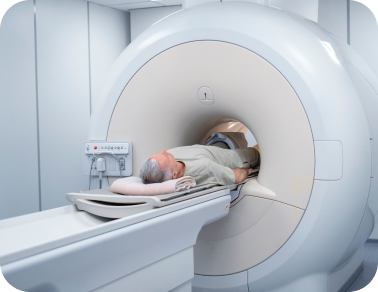
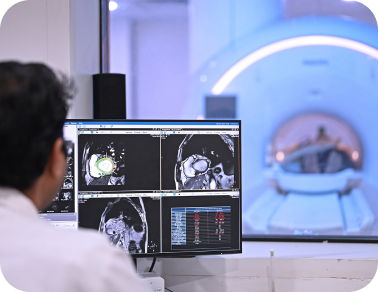
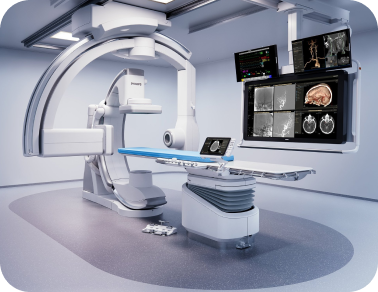
Equipped with state-of-art diagnostic and treatment technologies to ensure the best outcomes for our patients



Other Specialities


Patient Stories
At Healing Hospital, every breath counts. Here are real stories of patients who found relief and renewed hope under Dr. Preeti Sharma's expert care.
Frequently Asked Questions (FAQs)
What does a pulmonologist do?
A pulmonologist specializes in diagnosing and treating diseases of the lungs and respiratory system. They manage conditions like asthma, COPD, pneumonia, lung cancer, sleep apnea, and perform procedures like bronchoscopy.
How does smoking affect my lungs?
Smoking damages airways, destroys lung tissue, impairs immune defenses, and causes chronic inflammation. It’s the primary cause of COPD, increases lung cancer risk, and worsens asthma and infections. Quitting smoking is the single most important step to protect your lungs.
When should I be concerned about a cough?
A cough lasting more than 3 weeks, coughing up blood, cough with high fever or breathing difficulty, or cough with unexplained weight loss requires immediate medical evaluation by a pulmonologist.
How is pulmonology different from general medicine?
While general physicians handle common respiratory complaints, pulmonologists have specialized training in complex lung diseases, perform advanced procedures like bronchoscopy, manage ventilators, and treat conditions requiring subspecialty expertise.
What are pulmonary function tests?
Breathing tests that measure how well your lungs work, including air volume, flow rates, and gas exchange. These objective measurements help diagnose conditions like asthma, COPD, or restrictive lung disease and monitor treatment effectiveness.
What is bronchoscopy and is it painful?
Bronchoscopy uses a thin, flexible camera to examine your airways. While it may cause minimal discomfort, it provides valuable diagnostic information and sometimes allows treatment of airway problems.
Can COPD be reversed?
COPD damage is permanent, but progression can be slowed significantly with smoking cessation, medications, pulmonary rehabilitation, and oxygen therapy. Early intervention preserves lung function and improves quality of life.
What is sleep apnea and why is it dangerous?
Sleep apnea involves repeated breathing pauses during sleep, reducing oxygen levels and disrupting sleep. Untreated, it increases risks of high blood pressure, heart disease, stroke, and accidents from daytime sleepiness.
How often should high-risk patients get pneumonia vaccines?
PCV13 is usually one-time. PPSV23 may need boosting after 5 years in high-risk patients.
What is the difference between acute and chronic bronchitis?
Acute bronchitis is temporary airway inflammation usually from viral infections, lasting weeks. Chronic bronchitis is persistent productive cough for months, typically from smoking, and represents a form of COPD requiring long-term management.
When should someone with asthma see a pulmonologist?
If you’re having frequent attacks despite treatment, using rescue inhalers more than twice weekly, experiencing nighttime awakening from asthma symptoms, or your current medications aren’t controlling symptoms adequately.
Are lung diseases hereditary?
Some have genetic components (cystic fibrosis, alpha-1 antitrypsin deficiency, some forms of pulmonary fibrosis), but most result from environmental exposures like smoking, infections, or occupational hazards. Family history helps assess your risk profile.
What causes interstitial lung disease? How is it diagnosed?
Causes include autoimmune diseases, occupational exposures, side effects from medications, radiation therapy, or unknown factors. Diagnosis requires detailed history, imaging, pulmonary function tests, and sometimes lung biopsy.
Is pulmonary hypertension curable?
Secondary pulmonary hypertension often improves when underlying causes are treated. Primary pulmonary arterial hypertension is chronic but modern targeted therapies dramatically improve symptoms, exercise tolerance, and survival.
How can I keep my lung health in check?
To keep your lungs healthy, focus on simple daily habits like avoiding smoking, staying physically active, and practicing deep breathing exercises. Keep your surroundings clean, protect yourself from pollution, stay hydrated, and get recommended vaccines to prevent respiratory infections. If you notice persistent cough, chest tightness, or breathing issues, regular check-ups with a pulmonologist can help detect problems early and maintain long-term lung health.
Blog

Common Respiratory Conditions Treated by the Best Pulmonary Doctor in Chandigarh

Best Pulmonary Doctor in Chandigarh: Where to Find the Most Effective Care

Finding the Right Lung Cancer Doctor in Chandigarh: A Guide to Choosing Dr. Preeti Sharma at Healing Hospital
