At Healing Hospital, we understand that the journey to parenthood through IVF (In Vitro Fertilization) requires not just advanced medical expertise but also emotional support, transparent communication, and personalized care. That’s why our Reproductive Medicine Department, led by Dr. Japleen Kaur—a fellowship-trained IVF specialist—offers comprehensive IVF treatment combining cutting-edge assisted reproductive technology with compassionate, patient-centered care, helping couples overcome complex infertility challenges and achieve their dream of having a baby.
We serve patients across Chandigarh, Mohali, Panchkula, and surrounding regions with advanced IVF services including comprehensive fertility evaluation, personalized ovarian stimulation protocols, state-of-the-art embryology laboratory, blastocyst culture, embryo freezing, frozen embryo transfer, and complete cycle management from initial consultation through pregnancy confirmation. Whether you have experienced IUI failures, have severe male factor infertility, blocked fallopian tubes, advanced maternal age, or require genetic screening or surrogacy, our experienced IVF specialist provides evidence-based treatment tailored to your unique fertility needs.
If you are searching for “best IVF treatment in Chandigarh,” “IVF specialist near me,” or “IVF success rates,” you have found a center where advanced reproductive technology meets expert clinical care.

What is IVF?
In Vitro Fertilization (IVF) is an advanced assisted reproductive technology where eggs are retrieved from a woman's ovaries, fertilized with sperm in a specialized embryology laboratory, and resulting embryos are transferred back into the uterus for implantation. This process bypasses natural fertilization barriers, making pregnancy possible when other fertility treatments have failed or when specific infertility factors prevent natural conception.
The procedure offers the highest success rates among all fertility treatments and provides solutions for complex infertility issues that cannot be addressed through simpler methods like IUI.
What are the Types of IVF?
Conventional IVF
Eggs and sperm combined in the laboratory, allowing natural fertilization, suitable when sperm parameters are normal.
Natural Cycle IVF
IVF without stimulation medications, retrieving a single naturally-developing egg, suitable for minimal medication approach.
Minimal Stimulation IVF
Lower medication doses producing fewer eggs with less side effects and lower cost.
ICSI (Intracytoplasmic Sperm Injection)
Single sperm directly injected into each egg using micromanipulation, essential for severe male factor infertility or previous fertilization failure.
Blastocyst Transfer
Extended embryo culture to day 5 before transfer, allowing better selection and higher implantation rates.
Frozen Embryo Transfer (FET)
Cryopreserved embryos from the previous cycle are thawed and transferred, useful when fresh transfer isn't possible or to transfer surplus embryos.
Who Should Consider IVF?
IVF is recommended under certain circumstances, such as:
- For couples with infertility conditions
- History of failed IUI cycles
- Risk of transmission of genetic disease
- Need for gestational surrogacy
- Same sex couples, requiring donor eggs or sperm
- Single women, using donor sperm
- Fertility preservation for cancer patients
- Previous history of sterilization (tubal ligation, vasectomy)
- Recurrent miscarriages, requiring embryo screening
How is IVF performed?
1. Ovarian Stimulation
Daily injectable fertility medications (FSH, LH) administered for 8-12 days stimulating ovaries to produce multiple mature eggs. Regular monitoring through ultrasound scans and blood hormone tests tracks follicle development and determines optimal timing for egg retrieval.
2. Trigger Injection & Final Maturation
When follicles reach optimal size (18-20mm), HCG or GnRH agonist trigger injection is administered inducing final egg maturation. Egg retrieval scheduled precisely 34-36 hours after trigger.
3. Egg Retrieval (Ovum Pick-Up)
Minor surgical procedure is performed under sedation/anesthesia, where transvaginal ultrasound-guided needle aspirates eggs from ovarian follicles. The procedure takes 20-30 minutes, and the patient is discharged the same day after brief recovery. Retrieved eggs are immediately transferred to the embryology laboratory.
4. Sperm Collection & Preparation
The partner provides semen sample on egg retrieval day (or frozen sperm thawed). Sperm undergoes processing ("sperm washing") concentrating healthiest, most motile sperm for fertilization. Surgical sperm retrieval (TESA/PESA) performed if needed for azoospermia.
5. Fertilization
Eggs and prepared sperm combined in culture dishes allowing natural fertilization overnight.
6. Embryo Culture & Development
Fertilized eggs (embryos) are cultured in specialized incubators with optimal temperature, humidity, and gas conditions. Embryologists monitor development daily. Quality grading is performed, selecting the best embryos for transfer.
7. Embryo Transfer
Selected embryo(s) transferred into the uterus 3-5 days after egg retrieval using a thin, flexible catheter passed through the cervix under ultrasound guidance. Simple, painless procedure taking 5-10 minutes requiring no anesthesia.
8. Luteal Phase Support
Progesterone supplementation (injections, vaginal suppositories, or oral) prescribed supporting uterine lining and implantation until pregnancy test.
9. Pregnancy Test
Blood pregnancy test (beta-hCG) performed approximately 12-14 days after embryo transfer confirming pregnancy.
What are the Success Factors for IVF?
Age of the Woman
The most critical factor—success rates decline with age due to decreasing egg quality and quantity. Under 35: 40-50% per cycle; 35-37: 35-40%; 38-40: 25-30%; over 40: 15-20%; over 42: 5-10%. Younger women respond better to stimulation and produce better quality embryos.
Embryo Quality & Development
High-grade blastocysts (excellent inner cell mass and trophectoderm) have significantly higher implantation rates than lower-grade or day-3 embryos. Embryo quality reflects egg and sperm quality, making selection crucial for success.
Ovarian Reserve
Adequate egg reserve indicated by good AMH levels, antral follicle count, and FSH levels predicts better response to stimulation and more embryos available for selection. Diminished reserve reduces success rates.
Sperm Quality
While ICSI overcomes most male factor issues, severe sperm DNA fragmentation or quality problems affect fertilization and embryo development even with ICSI. Sperm preparation and selection techniques are important.
Uterine Receptivity
Optimal endometrial thickness, pattern, and hormonal preparation crucial for implantation. Conditions like fibroids, polyps, adenomyosis, or thin lining reduce success requiring treatment before transfer.
Lifestyle Factors
Obesity, smoking, excessive alcohol, and stress negatively impact IVF success. Pre-cycle optimization including healthy BMI, smoking cessation, supplements (folic acid, CoQ10, vitamin D), and stress management improve outcomes.
Previous IVF History
Response to previous cycles guides protocol adjustments. Recurrent implantation failure may indicate need for additional testing (ERA, immune factors, genetic screening) or alternative approaches.
Laboratory Quality
Embryology lab standards, incubator technology, culture media quality, and embryologist expertise significantly impact embryo development and success rates.
Why Choose Healing Hospital for IVF in Chandigarh?

State-of-the-Art Embryology Laboratory (in collaboration with Apollo Fertility Clinic) : Our combined advanced embryology laboratory features ISO-certified clean room standards, cutting-edge incubator technology maintaining optimal embryo culture conditions, embryo freezing (vitrification) with excellent survival rates, and comprehensive quality control protocols.

Expert IVF Specialist with Fellowship Training : Dr. Japleen Kaur is a fellowship-trained IVF specialist with 14+ years experience and specialized training in Reproductive Endocrinology & Infertility from PGIMER Chandigarh, following her MBBS and MD from AIIMS New Delhi. Her comprehensive expertise in assisted reproductive techniques (IVF, ICSI, embryo culture, blastocyst transfer) combined with international credentials (MRCOG UK, MNAMS) ensures you receive evidence-based treatment from one of the region’s most qualified fertility experts.

Comprehensive, Personalized IVF Protocols : Every patient receives individualized ovarian stimulation protocol based on age, ovarian reserve, previous cycle history, and specific fertility diagnosis rather than standard one-size-fits-all approaches. Dr. Kaur’s meticulous cycle monitoring with frequent ultrasounds and hormone testing optimizes medication dosing, minimizes complications like OHSS, and ensures optimal egg maturation timing.
What are the Advantages of IVF?
- Highest success rates among all fertility treatments (40-50% per cycle under 35)
- Overcomes multiple infertility causes
- Ensures fertilization
- Embryo quality assessment for maximizing success
- Genetic screening option (PGT), identifying chromosomally normal embryos
- Fertility preservation through embryo freezing for future use
- Use of donor eggs/sperm, when needed
- Surrogacy option
What are the Risks & Complications involved in the IVF?
1. Ovarian Hyperstimulation Syndrome (OHSS)
Excessive response to fertility medications can cause abdominal pain, bloating, nausea, fluid accumulation, and, rarely, serious complications.
2. Multiple Pregnancies
Transfer of more than one embryo increases the risk of twins or higher-order pregnancies, which are associated with preterm birth and maternal complications.
3. Ectopic Pregnancy
In rare cases, the embryo may implant outside the uterus, most commonly in the fallopian tube.
4. Procedure-Related Risks (Egg Retrieval)
Minor risks include bleeding, infection, or injury to nearby organs during egg retrieval, though these are uncommon when performed by experienced specialists.
5. Side Effects of Fertility Medications
Hormonal medications may cause mood swings, headaches, breast tenderness, fatigue, or injection-site discomfort.
6. Failed IVF Cycle
Not all IVF cycles result in pregnancy, which can lead to emotional stress and financial strain.
7. Emotional and Psychological Stress
The physical demands, uncertainty, and repeated cycles can impact mental well-being and relationships.
Dr. Japleen Kaur
Obstetrician, Gynaecologist & IVF Specialist
14+ Years
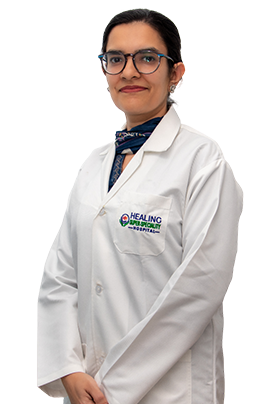
Dr. Japleen Kaur is a highly accomplished IVF specialist and reproductive endocrinologist with over 14 years of specialized experience in advanced fertility treatments, trained at India’s most prestigious medical institutions—AIIMS New Delhi and PGIMER Chandigarh. Her fellowship training in Reproductive Endocrinology & Infertility from PGIMER specifically focused on assisted reproductive techniques including IVF, ICSI, ovarian stimulation protocols, embryo culture, and comprehensive infertility management, making her one of the most qualified fertility specialists in the Chandigarh region.
Doctors Available
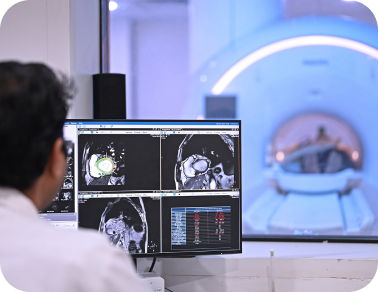
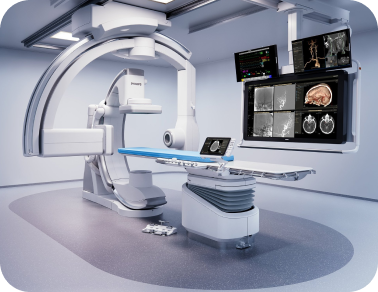
Equipped with state-of-art diagnostic and treatment technologies to ensure the best outcomes for our patients





Frequently Asked Questions (FAQs)
What is the success rate of IVF?
Success rates vary by age: 40-50% per cycle under 35, 35-40% for ages 35-37, 25-30% for 38-40, and 15-20% over 40. Individual success depends on ovarian reserve, embryo quality, and specific fertility diagnosis.
How much does IVF cost in Chandigarh?
IVF cost varies based on protocol type, medications needed, ICSI requirement, and additional procedures like embryo freezing. Contact us at +91-8427243434 for detailed pricing and package information.
Is IVF painful?
Egg retrieval is performed under sedation/anesthesia so you won’t feel pain during the procedure. Daily injections cause minor discomfort. Some women experience bloating and cramping from ovarian stimulation. Embryo transfer is painless.
How many IVF cycles are recommended for a higher success rate?
Many couples achieve pregnancy in the first cycle, but cumulative success rates increase over 2-3 cycles. Age, diagnosis, and embryo quality determine how many cycles needed. Dr. Kaur discusses realistic expectations during consultation.
Can I do normal activities after embryo transfer?
Yes, resume normal daily activities immediately. Bed rest doesn’t improve success rates. Avoid strenuous exercise, heavy lifting, and sexual intercourse for 2 weeks until pregnancy test. Continue work and light activities normally.
How long does the IVF process take?
Complete IVF cycle takes approximately 4-6 weeks from starting ovarian stimulation to pregnancy test. Ovarian stimulation: 10-14 days; egg retrieval; embryo culture: 3-5 days; embryo transfer; wait for pregnancy test: 12-14 days.
How do I schedule IVF consultation with Dr. Japleen Kaur?
Contact our appointment desk at +91-8427243434 to schedule comprehensive fertility consultation. Bring previous fertility test results, medical records, and any prior treatment history.
Blog

Knee Replacement Surgeon Chandigarh for Minimally Invasive Surgery

Rhinoplasty Recovery Tips from the Best Surgeon in Chandigarh

🏥 Best Orthopedic & Neurology Hospitals in Chandigarh

What to Expect When Choosing a Breast Lift Surgeon in Chandigarh
Meet the Leading Hip Replacement Surgeon in Chandigarh for Arthritis & Injuries
Back Pain Doctor in Chandigarh: Comprehensive Care for Herniated Discs & Sciatica

What to Expect from Your Consultation with the Best Plastic Surgeon in Chandigarh – Dr. Sumit Singh Gautam
Lifestyle Changes to Complement Sleep Apnea Treatment in Chandigarh

Effective Knee Arthritis Solutions Available in Chandigarh Clinics