At Healing Hospital, our Department of Ophthalmology specializes in providing comprehensive eye care for patients of all ages—from newborns to seniors. Whether you need routine eye examinations, advanced surgical interventions, or management of complex eye diseases, our team delivers expert care with precision and compassion.
We understand that eye problems can be concerning, which is why we maintain complete transparency, provide clear explanations, and ensure comfort throughout your treatment journey. Your vision is precious, and protecting it requires specialized expertise and advanced technology. That’s why our state-of-the-art infrastructure, cutting-edge diagnostic equipment, experienced eye surgeons, and patient-centric approach are thoughtfully designed to deliver the highest quality eye care.

What is Ophthalmology?
Ophthalmology is the medical and surgical specialty focused on diagnosing and treating diseases and conditions affecting the eyes and visual system. Ophthalmologists are medical doctors who complete extensive training in eye anatomy, visual physiology, optical principles, and both medical and surgical management of eye disorders.
Conditions like glaucoma, diabetic retinopathy, and age-related macular degeneration can cause irreversible vision loss, if not detected and treated early. This makes regular comprehensive eye examinations essential, not just for those experiencing problems, but for everyone as a preventive health measure.
Beyond treating eye diseases, ophthalmologists also prescribe corrective lenses, perform refractive surgeries to reduce dependence on glasses, manage eye emergencies and injuries, and provide counseling on eye health protection, nutrition for vision, and preventing occupational eye hazards.
Why is Regular Eye Care Important?
Children require special attention as early detection of vision problems is crucial for proper visual development and academic success.
Seniors face increased risks of cataracts, glaucoma, and macular degeneration, making regular screening even more important with advancing age.
What Symptoms Indicate the Need to See an Ophthalmologist?
If you're experiencing any of these signs or symptoms, consult an ophthalmologist promptly:
- Sudden vision loss or significant vision changes
- Blurred or cloudy vision
- Eye pain, redness, or persistent irritation
- Flashes of light or floaters
- Difficulty seeing at night or in low light
- Double vision
- Frequent headaches with vision changes
- Eye injury or trauma
- Watery eyes or excessive tearing
- Dry, scratchy eyes
- Sensitivity to light
- Need for routine eye examination or glasses prescription
Why Choose Healing Hospital for Ophthalmology Care?

Comprehensive Eye Care for All Ages: From pediatric eye screening to geriatric vision management, we provide specialized care tailored to each life stage.

Advanced Technology Meets Skilled Expertise : We invest in the latest diagnostic and surgical equipment—from optical coherence tomography (OCT) to femtosecond laser systems. However, technology alone isn’t enough; our fellowship-trained ophthalmologists bring years of specialized experience ensuring optimal outcomes.

Emergency Eye Care Availability: Eye emergencies demand immediate attention. Our emergency ophthalmology services handle urgent conditions like eye injuries, sudden vision loss, and acute infections with the urgency they deserve, providing rapid evaluation and treatment to save vision.

What Advanced Diagnostic & Treatment Services Do We Offer?
Cataract Surgery
Modern small-incision cataract surgery using ultrasound technology to break up and remove cloudy lens, followed by implantation of foldable intraocular lenses (IOLs).
LASIK and Refractive Surgery
Laser vision correction to reduce dependence on glasses or contact lenses for myopia (nearsightedness), hyperopia (farsightedness), and astigmatism. Bladeless femtosecond laser technology ensures precision and safety, helping patients achieve clear unaided vision.
Oculoplasty and Reconstructive Surgery
Cosmetic and reconstructive procedures for eyelid malpositions (ptosis, ectropion, entropion), tear duct obstructions, eyelid tumors, orbital fractures, and thyroid eye disease. Procedures restore both function and appearance.
Neuro-Ophthalmology
Evaluation and management of vision problems related to neurological conditions including optic neuritis, optic nerve disorders, visual field defects from brain lesions, and unexplained vision loss requiring detailed neurological assessment.Glaucoma Diagnosis and Management
Comprehensive glaucoma evaluation with visual field testing, optic nerve imaging, and intraocular pressure monitoring. Treatment includes medical therapy with pressure-lowering drops, laser procedures (trabeculoplasty, iridotomy), and when necessary, filtration surgery to prevent vision loss from this silent disease.
Cornea and External Disease
Treatment of corneal infections, dry eye syndrome, pterygium, corneal dystrophies, and keratoconus. We perform corneal collagen cross-linking for keratoconus, amniotic membrane transplantation, and corneal transplant surgery (keratoplasty) when indicated.
What Eye Conditions Do We Treat at Healing Hospital?

Doctors Available
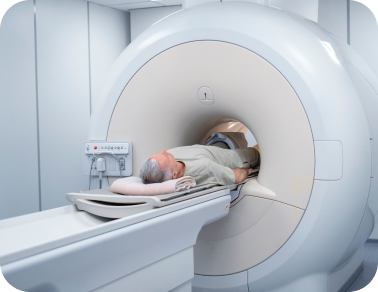
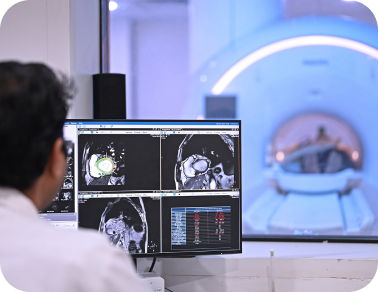
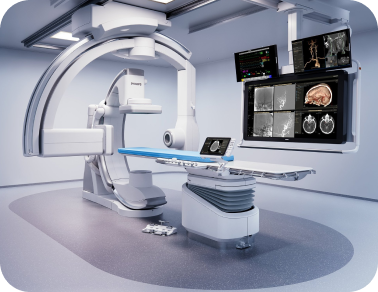
Equipped with state-of-art diagnostic and treatment technologies to ensure the best outcomes for our patients



Other Specialities


Patient Stories
Frequently Asked Questions (FAQs)
What is the difference between LASIK and PRK?
LASIK heals faster using a corneal flap; PRK heals slower but is better for thinner corneas.
Can glaucoma be cured?
No, but it can be controlled lifelong with drops, laser, or surgery to prevent further vision loss
Can dry eyes cause permanent damage?
Severe untreated cases can harm the cornea, but proper treatment prevents long-term damage.
Is laser eye surgery permanent?
Yes, but natural age-related changes may still require reading glasses later.
How long do IOLs last after cataract surgery?
They last a lifetime and rarely need replacement.
What is the success rate of retinal detachment surgery?
Surgery works in 80–90% of cases, with better results when treated early.
Blog

Knee Replacement Surgeon Chandigarh for Minimally Invasive Surgery

Rhinoplasty Recovery Tips from the Best Surgeon in Chandigarh

🏥 Best Orthopedic & Neurology Hospitals in Chandigarh
🏥 Best Orthopedic & Neurology Hospitals in Chandigarh
🏥 Best Orthopedic & Neurology Hospitals in Chandigarh
🏥 Best Orthopedic & Neurology Hospitals in Chandigarh
🏥 Best Orthopedic & Neurology Hospitals in Chandigarh
🏥 Best Orthopedic & Neurology Hospitals in Chandigarh
🏥 Best Orthopedic & Neurology Hospitals in Chandigarh
